
Store
Materials for your business.
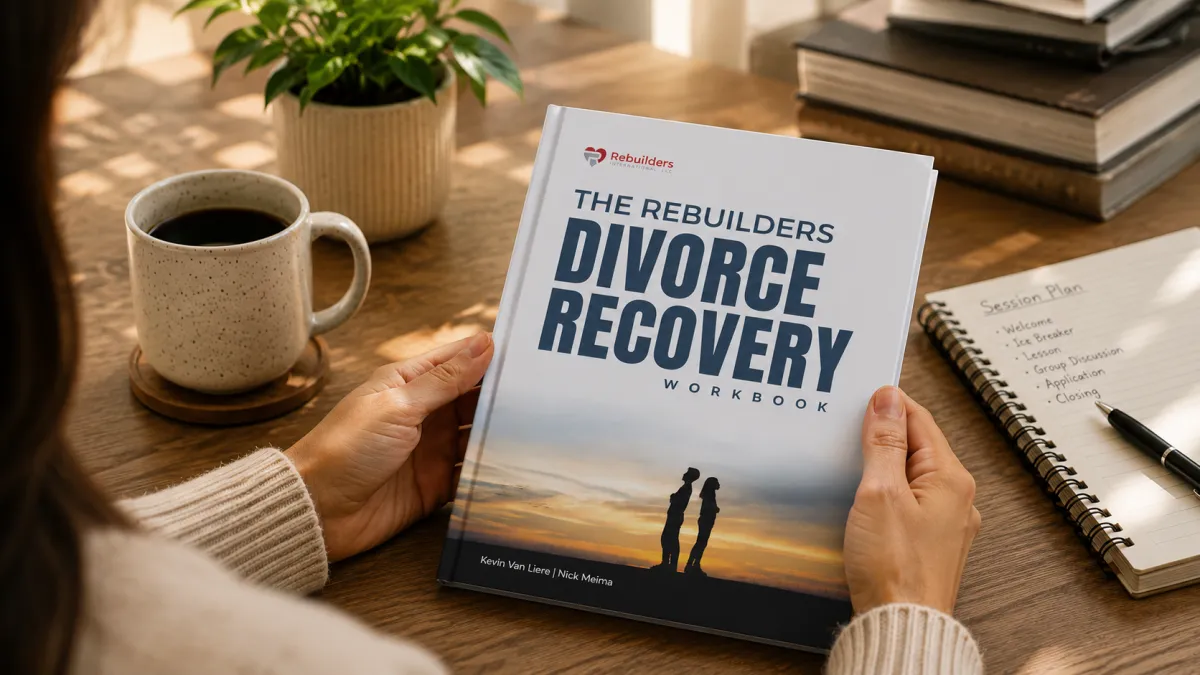
Professional resources designed to help therapists, facilitators, coaches, churches, and organizations guide people through divorce recovery.
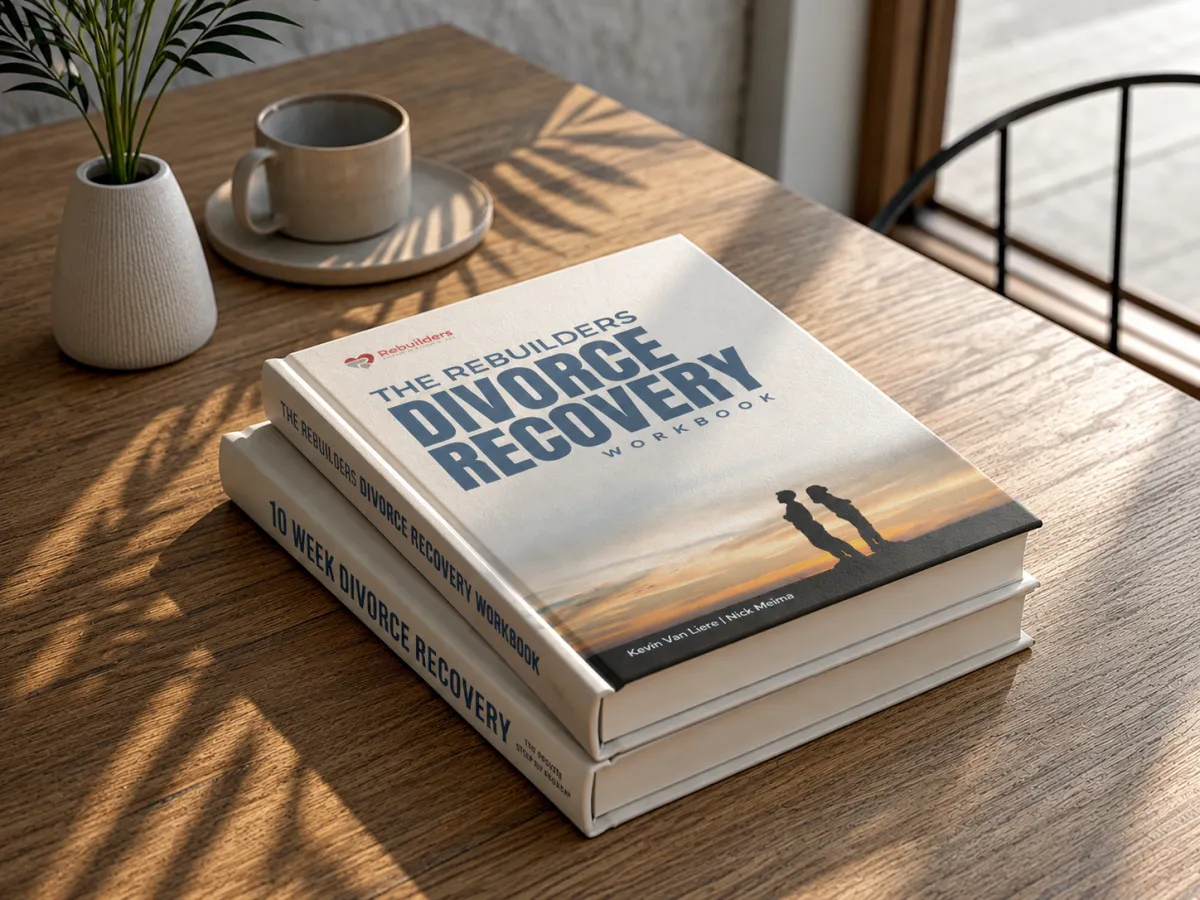
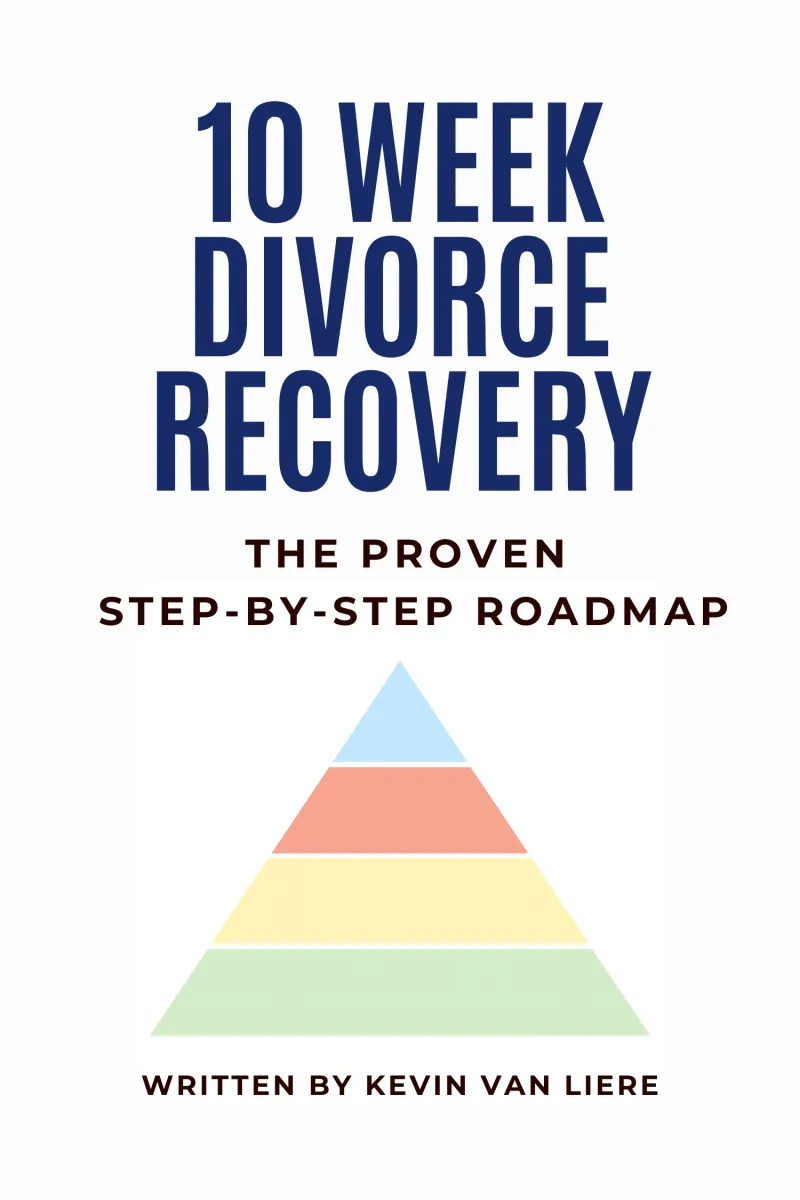
10-Week Program
Guide & workbook
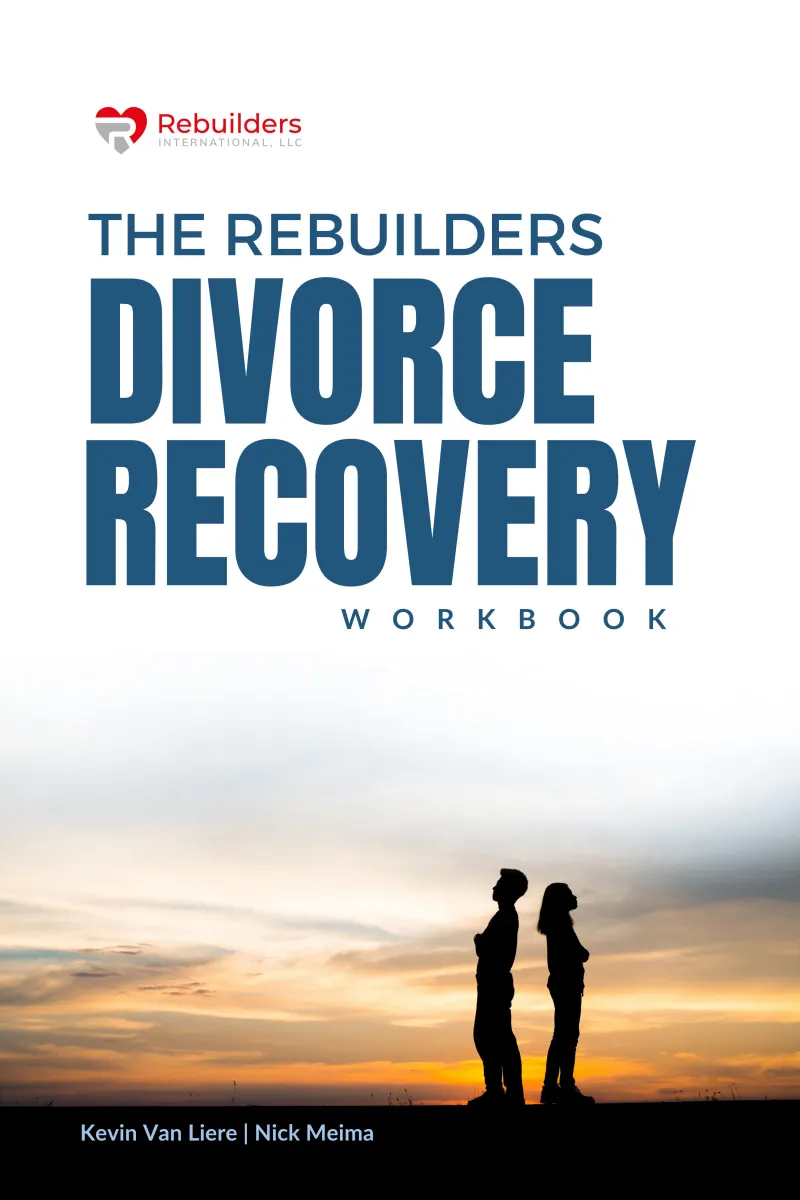
Professional Resources
Materials to Support Your Work
Why Rebuilders
Why professionals choose
Rebuilders materials
Decades of refinement, thousands of groups, one trusted source.
Proven Methodology
Decades of clinical work with people in transition.
Facilitator-Tested
Refined by hundreds of facilitators leading groups in churches, clinics, and communities.
Practical Resources
Workbooks, handouts, and tools designed for real group dynamics — not theory.
Trusted Materials
The official source for Rebuilders content. No knock-offs, no outdated editions.
Need Help Choosing Resources?
Our team can help you select the right materials for your practice or organization.
Shop By Categories
Discover the perfect promotional items to elevate your brand and leave a lasting impression with our Shop by Category section. Whether you're looking for branded apparel, tech gadgets, office essentials, or eco-friendly products, we have everything you need to make a statement in your marketing campaigns.


What Client Our Says About Us

Company Name should look
for ones that are specific,
detailed, and highlight the
unique benefits of working with
the company.
Alex John Martin
Manager
Company Name should look
for ones that are specific,
detailed, and highlight the
unique benefits of working with
the company.
Alex John Martin
Manager
Company Name should look
for ones that are specific,
detailed, and highlight the
unique benefits of working with
the company.
Alex John Martin
Manager
Frequently Asked Questions
Find answers to common questions about ordering official Rebuilders workbooks, facilitator materials, shipping, and bulk purchases. If you need additional assistance, we're here to help.
Who can order these materials?
Trained Rebuilders facilitators, group leaders, counselors, and partner organizations running official Rebuilders programs.
Do you ship internationally?
International shipping rates and timelines are calculated at checkout.
How long does fulfillment take?
Domestic orders typically ship within 2 business days and arrive in 3–7 days. Bulk orders may take slightly longer.
Can I order in bulk?
Absolutely. Group bundles and bulk discounts are available — see the Group of 10 bundle or contact us for larger quantities.
Which workbook should I order?
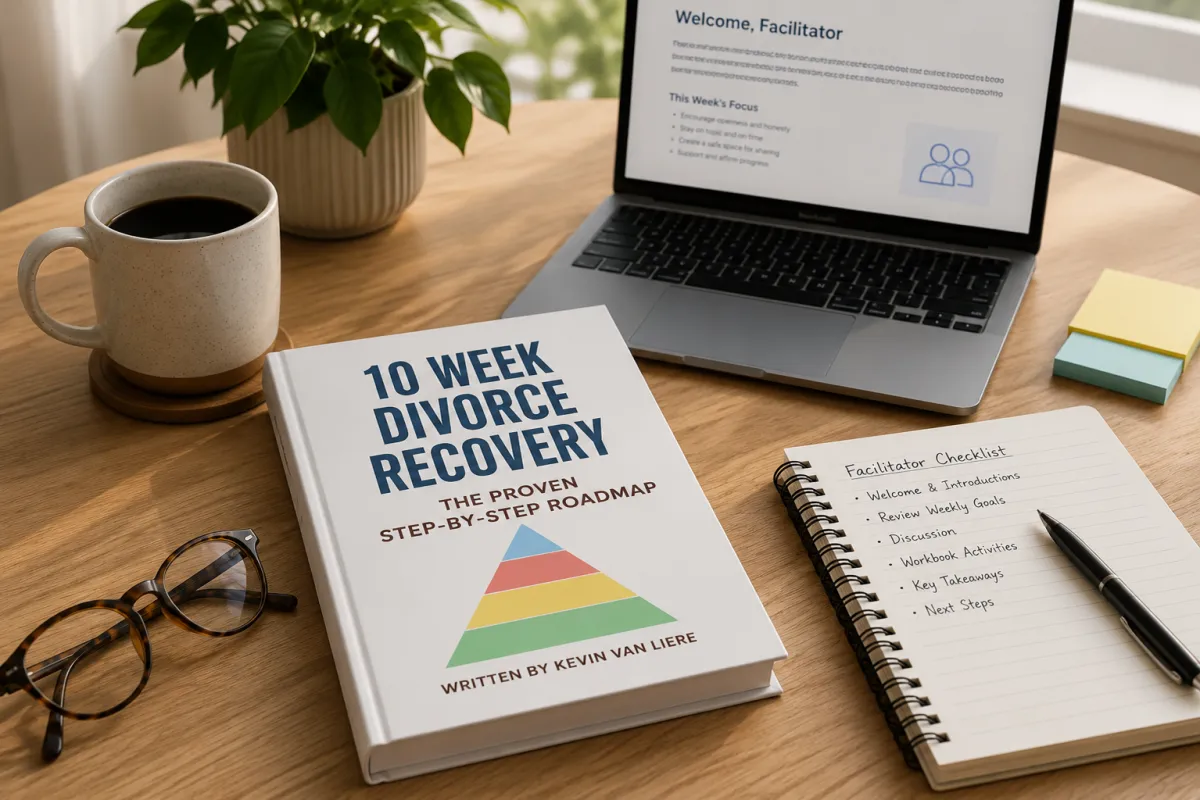
Most facilitators start with the Rebuilders Workbook for participants and the Facilitator Guide for themselves. The Starter Kit combines both plus extras.
See Our Latest Blogs
Stay up-to-date with our latest insights, tips, and trends by diving into our newest blogs. Whether you're seeking industry expertise, marketing strategies, or product inspiration, our blog section is your go-to resource for valuable content.
Does Anger Fade After Divorce on Its Own? What the Data Shows
You Stop Thinking About Them. You Don't Stop Being Angry.
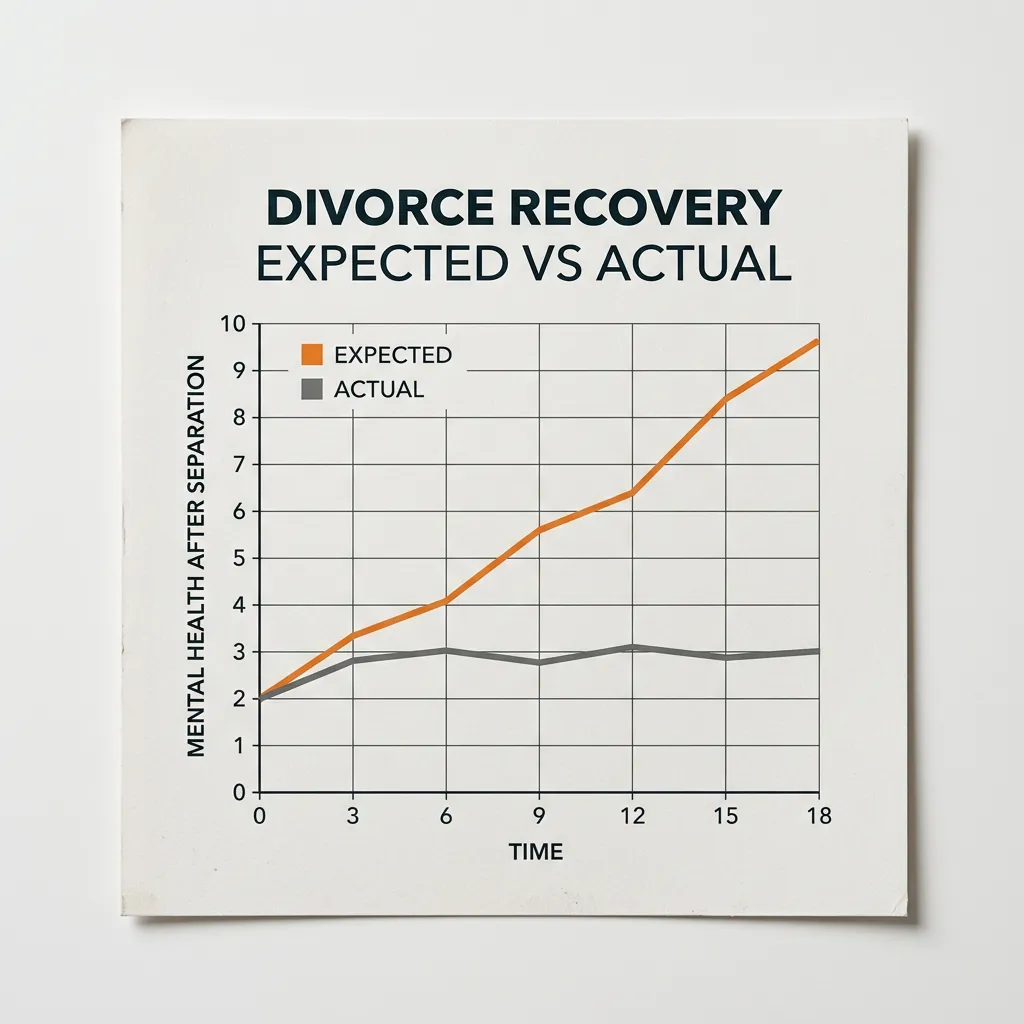
We measured how six areas of divorce recovery change across seven time intervals — from people who do not yet know when their divorce will happen to people six or more years out. Letting go of the former partner moves substantially over that span. Anger and trust do not improve on their own.
Based on Fisher Divorce Adjustment Scale assessments completed by people seeking divorce recovery support. Free to cite with attribution.
The most common way people gauge their own recovery is whether they are still thinking about their former partner. When those thoughts start to quiet, the natural conclusion is that healing is happening. When they stay loud, the natural conclusion is that it is not. That signal feels real because it is visible — it shows up in the middle of a meeting, at three in the morning, in the grocery store. It is the most available measure a person has.
The data tells a more complicated story. Some of what looks like recovery when that signal fades is genuine progress. Some of it has little to do with the areas of adjustment that matter most for what comes next.
The answer
The table below tracks three areas of recovery — letting go of the former partner, anger, and trust — across seven time bands. The figures are median scores expressed as a share of each area's maximum. Higher is better adjusted.
What time actually does
| Time since the divorce | People | Letting go | Anger | Trust |
|---|---|---|---|---|
| Still not sure when | 723 | 55% | 57% | 50% |
| Within the next month | 454 | 62% | 60% | 52% |
| Sometime this year | 1,406 | 65% | 58% | 55% |
| 0 to 1 year ago | 1,723 | 65% | 58% | 52% |
| 1 to 2 years ago | 436 | 69% | 55% | 55% |
| 2 to 5 years ago | 345 | 71% | 58% | 55% |
| 6 or more years ago | 170 | 76% | 62% | 55% |
Median score as a share of each area's maximum. n = 5,257 people with a stated timeline.
Letting go of the former partner rises from 55% to 76% across the full range — a 21-point gain. For a person still waiting on their divorce date, that movement is real and it will happen. The person six or more years out has done most of this particular work, even without trying. Anger and trust follow a different trajectory: from 57% to 62%, and from 50% to 55%, respectively. Both arrive lower than letting go, and both leave lower.
The nuance — and why it matters
Letting go of the former partner is the area people watch most closely to answer the question: am I getting better? It is also, as the data shows, the one area that responds to time without deliberate work. That creates a problem. The thing people use as their primary measure of recovery is the thing least likely to expose where they actually are.
Anger and trust do not improve on their own. Anger moves from 57% to 62% across seven time bands. Trust moves from 50% to 55%. A person six years out from their divorce may have almost entirely stopped thinking about their former partner — and still carry roughly the same anger and roughly the same capacity for trust that they arrived with. Neither of those areas resets on its own with time. And they are, as the nuance column of this data states directly, the two areas that most shape whether a next relationship works.
Disentanglement is the area people use to judge their own recovery, and it is the one area that improves without intervention.
Where everyone starts
The second table sets the baseline — where people arrive before time enters the picture at all. These scores reflect the full assessment population, not sorted by timeline.
Where everyone starts
| Area of recovery | Median | Of max | % of max |
|---|---|---|---|
| Confidence around others | 30 | 45 | 67% |
| Letting go of the former partner | 70 | 110 | 64% |
| Self-worth | 78 | 125 | 62% |
| Anger | 35 | 60 | 58% |
| Grief | 65 | 120 | 54% |
| Trusting people again | 21 | 40 | 52% |
n = 5,259. Higher indicates better adjustment.
The ordering here matches the pattern in the time data. Confidence around others and letting go arrive in better shape than grief, anger, and trust. Trust starts lowest of all six areas, and the time data shows it also moves least. That is where people begin, and — without intervention — it is roughly where they stay.
If you are in it
If your measure of your own recovery has been how often you think about your former partner, you have been watching a real thing. The data confirms that thinking about them less does happen, and that it happens across the span of years even without structured support. That matters.
What the data also shows is that this improvement is largely independent of anger and trust. If anger still feels present — closer than you expected it to be at this point — that is not a sign that you are failing to recover. It is a sign that anger does not respond to time the way that disentanglement does. The same is true of trust. A score that feels low there is not a character flaw or a failure to move on. It is where most people are, and it is the area that responds least to simply waiting.
If you work with divorcing clients
- A client who reports feeling better because they think about their ex less may still carry unaddressed anger or trust deficits. These areas move independently, and the most visible signal of progress is not the most informative one.
- When reviewing assessment scores, weight the anger and trust subscales heavily — not because they are the most distressing to discuss, but because they are the most predictive of outcomes in future relationships, and they are the least likely to improve without deliberate work.
- Ask directly about anger, without framing it as something the client should be past. Many clients have stopped naming it because they believe it means they are stuck. It may mean they have done significant letting-go work while anger remained unaddressed.
- Low trust scores at any point in the timeline warrant attention regardless of how the total adjustment score reads. Trust sits on a narrow subscale base, and a client with adequate total scores can still carry significant guardedness toward future relationships.
Limitations
The longest interval group — people six or more years past their divorce — contains 170 people, the smallest cell in this analysis. A longitudinal study following the same people over time would be stronger evidence than comparing different people at different distances from their divorce. Everyone in this analysis sought out a divorce recovery assessment, so these findings describe people looking for help rather than divorcing adults generally. All measurement is self-reported on a single instrument. This compares different people rather than following the same people over time.
Rebuilders International. “You Stop Thinking About Them. You Don’t Stop Being Angry.” Rebuilders Research. rebuildersinternational.com/post/does-anger-fade
Rebuilders International trains mental health professionals and divorce coaches in the Rebuilding method, developed by Dr. Bruce Fisher over more than forty years. Individuals going through divorce can find programs, classes and a free self-assessment at rebuilders.net.

Rebuilders International
Empowering professionals to guide individuals through transformative recovery and rebuilding processes.
For Professionals
Looking for the consumer program? Visit Rebuilders.net.
© 2026 Rebuilders International. All rights reserved. | Privacy Policy | Terms | [email protected]