
Store
Materials for your business.
Professional resources designed to help therapists, facilitators, coaches, churches, and organizations guide people through divorce recovery.

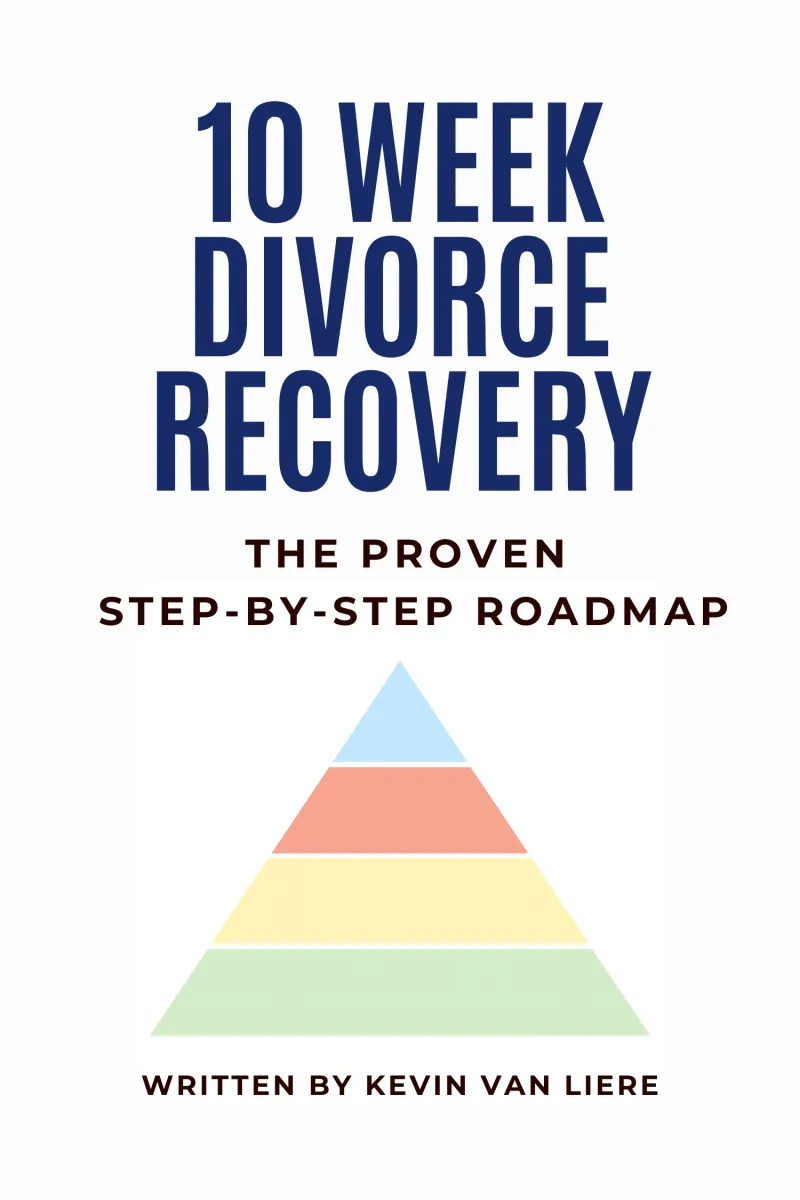
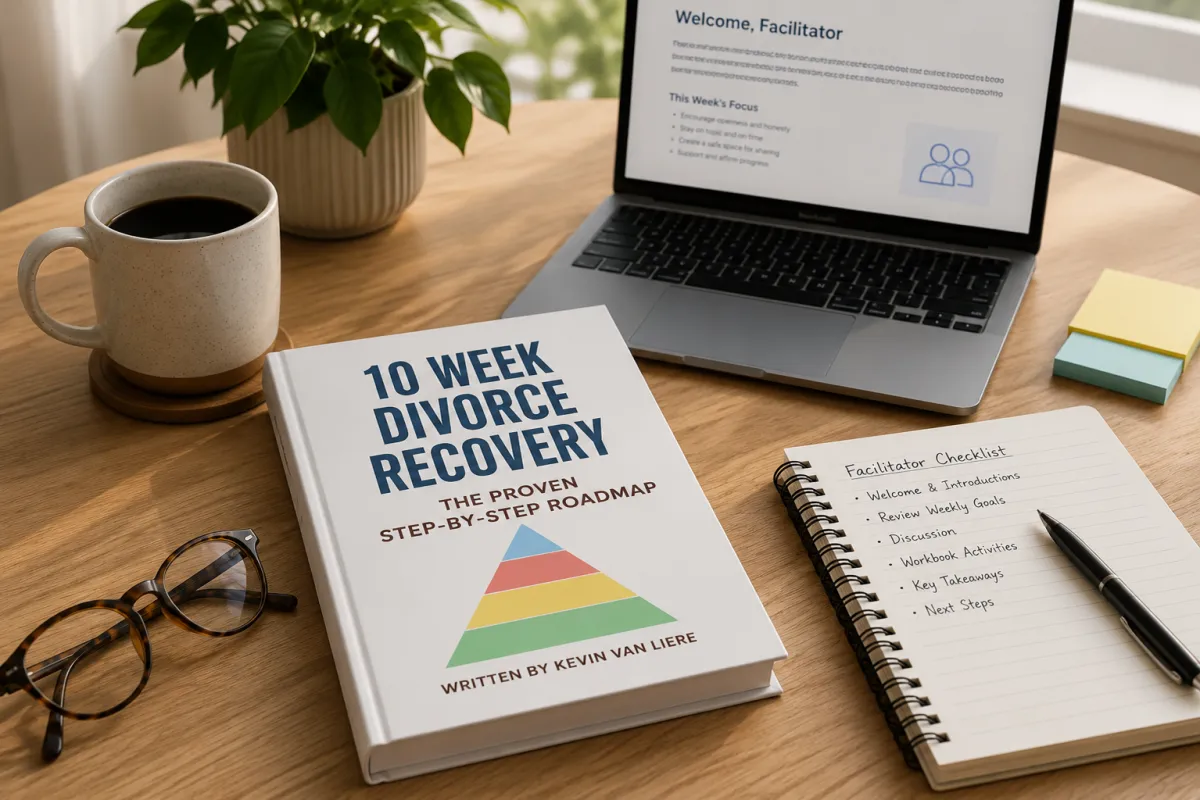
10-Week Program
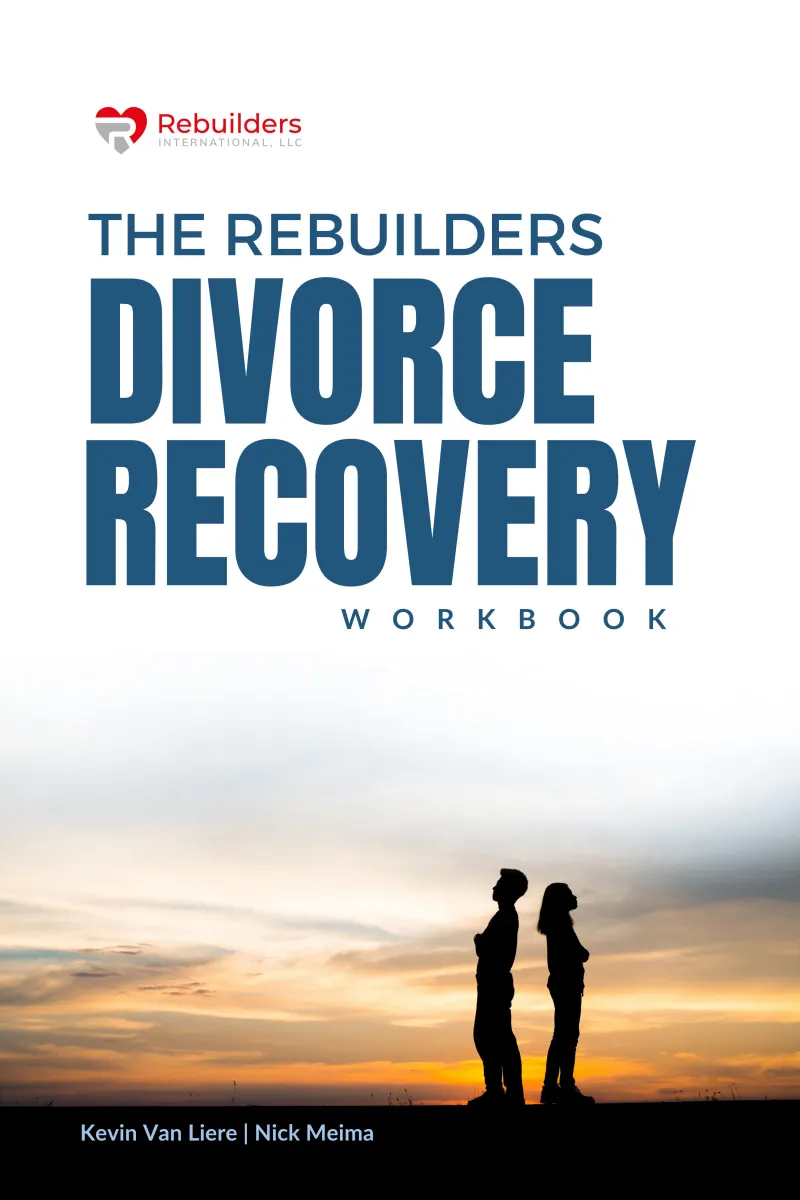
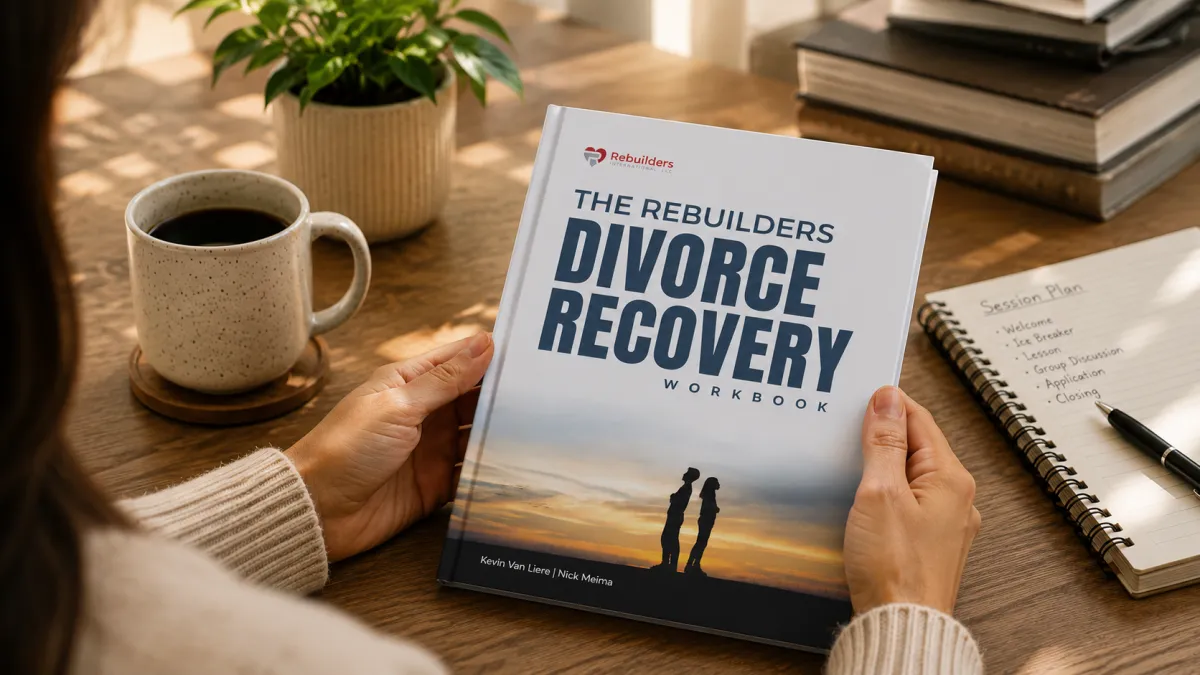
Guide & workbook
Professional Resources
Materials to Support Your Work
Why Rebuilders
Why professionals choose
Rebuilders materials
Decades of refinement, thousands of groups, one trusted source.
Proven Methodology
Decades of clinical work with people in transition.
Facilitator-Tested
Refined by hundreds of facilitators leading groups in churches, clinics, and communities.
Practical Resources
Workbooks, handouts, and tools designed for real group dynamics — not theory.
Trusted Materials
The official source for Rebuilders content. No knock-offs, no outdated editions.
Need Help Choosing Resources?
Our team can help you select the right materials for your practice or organization.
Shop By Categories
Discover the perfect promotional items to elevate your brand and leave a lasting impression with our Shop by Category section. Whether you're looking for branded apparel, tech gadgets, office essentials, or eco-friendly products, we have everything you need to make a statement in your marketing campaigns.


What Client Our Says About Us

Company Name should look
for ones that are specific,
detailed, and highlight the
unique benefits of working with
the company.
Alex John Martin
Manager
Company Name should look
for ones that are specific,
detailed, and highlight the
unique benefits of working with
the company.
Alex John Martin
Manager
Company Name should look
for ones that are specific,
detailed, and highlight the
unique benefits of working with
the company.
Alex John Martin
Manager
Frequently Asked Questions
Find answers to common questions about ordering official Rebuilders workbooks, facilitator materials, shipping, and bulk purchases. If you need additional assistance, we're here to help.
Who can order these materials?
Trained Rebuilders facilitators, group leaders, counselors, and partner organizations running official Rebuilders programs.
Do you ship internationally?
International shipping rates and timelines are calculated at checkout.
How long does fulfillment take?
Domestic orders typically ship within 2 business days and arrive in 3–7 days. Bulk orders may take slightly longer.
Can I order in bulk?
Absolutely. Group bundles and bulk discounts are available — see the Group of 10 bundle or contact us for larger quantities.
Which workbook should I order?
Most facilitators start with the Rebuilders Workbook for participants and the Facilitator Guide for themselves. The Starter Kit combines both plus extras.
See Our Latest Blogs
Stay up-to-date with our latest insights, tips, and trends by diving into our newest blogs. Whether you're seeking industry expertise, marketing strategies, or product inspiration, our blog section is your go-to resource for valuable content.
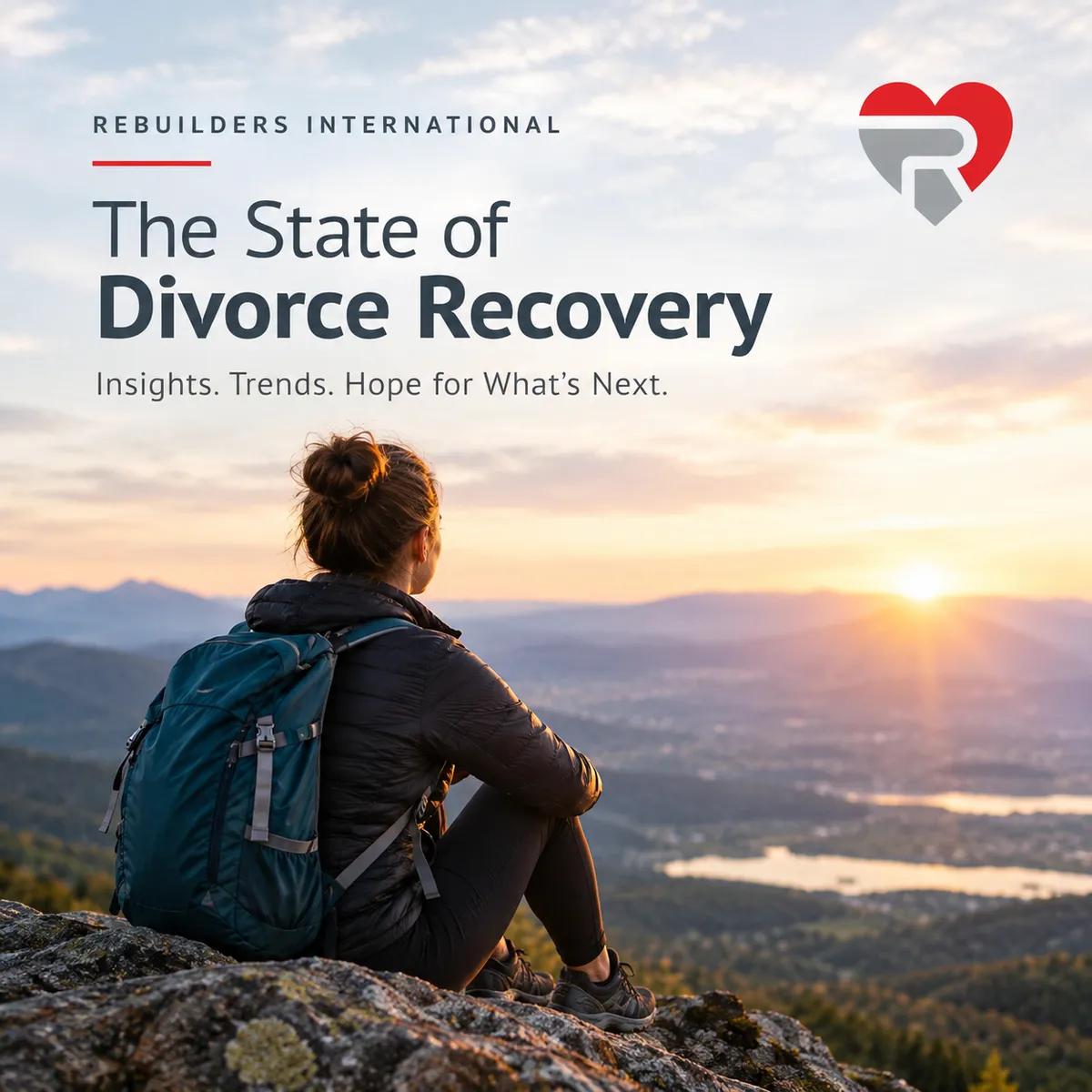
Divorce Recovery Statistics 2024: The State of Divorce Recovery
2024 EDITION — REBUILDERS INTERNATIONAL
The State of Divorce Recovery 2024
What 1,301 people going through divorce told us about where they actually were.
All figures drawn from Fisher Divorce Adjustment Scale assessments completed during calendar year 2024. Each person counted once, at their first assessment. Released September 2026 alongside the 2025 edition. Free to cite with attribution.
Headline | Share |
|---|---|
Had not finished their divorce | 70% |
Did not end the relationship themselves | 51% |
Had been married 21 years or more | 40% |
Who seeks divorce recovery
Stage in the process | Share | n |
|---|---|---|
Considering divorce | 20.5% | 263 |
In the divorce process | 49.5% | 636 |
Divorced | 30.0% | 386 |
n = 1,285.
Half were in the middle of proceedings. Only three in ten had finished. Material written for life after divorce reaches the smallest of the three groups.
Who ended the relationship | Share | n |
|---|---|---|
Their partner ended it | 50.7% | 654 |
They ended it | 38.1% | 491 |
A mutual decision | 11.2% | 144 |
n = 1,289. Self-reported. 68% of respondents were women.
Length of marriage | Share | n |
|---|---|---|
21 years or more | 40.0% | 517 |
16 to 20 years | 17.0% | 220 |
6 to 10 years | 16.0% | 207 |
11 to 15 years | 13.8% | 178 |
0 to 5 years | 13.3% | 172 |
n = 1,294.
Two in five had been married more than twenty-one years, and seven in ten more than a decade. The shortest marriages were the smallest group.
Adjustment norms for 2024
Overall adjustment, scale 0–500 | Score |
|---|---|
Minimum observed | 136 |
25th percentile | 256 |
Median | 305 |
Mean | 308 |
75th percentile | 356 |
Maximum observed | 478 |
n = 1,292.
Area of recovery | Median | Of max | % of max |
|---|---|---|---|
Confidence around others | 33 | 45 | 73% |
Letting go of the former partner | 74 | 110 | 67% |
Self-worth | 82 | 125 | 66% |
Grief | 69 | 120 | 58% |
Anger | 34 | 60 | 57% |
Trusting people again | 22 | 40 | 55% |
n = 1,292. Higher indicates better adjustment throughout.
Anger and trust sit lowest, as they do in every year we have measured. Grief is close behind. These three are where people arrive worst off, and they are the areas least helped by time.
Reference norms by situation
A client benchmarked against everyone is barely useful. Benchmarked against people in the same position, the comparison becomes clinically meaningful.
Median score (percentile) | Considering | In process | Divorced |
|---|---|---|---|
Did not end it | 266 (25th) | 278 (30th) | 306 (43rd) |
Ended it | 308 (44th) | 338 (58th) | 350 (63rd) |
Out of 500, with population percentile. Cell sizes 90 to 336.
The spread across those six cells is 84 points — the same score means something quite different depending which one a person is in.
The gap between being left and leaving
People who were left scored a median of 281. People who ended the relationship scored 334. A 53-point gap.
Area | Were left | Left | Gap |
|---|---|---|---|
Letting go of the ex | 55% | 82% | +26 |
Grief | 54% | 63% | +9 |
Confidence around others | 69% | 78% | +9 |
Self-worth | 62% | 70% | +8 |
Trusting people again | 52% | 58% | +5 |
Anger | 57% | 58% | +2 |
Almost the entire gap is one thing: whether you have let go yet.
Someone who ends a relationship begins detaching before they leave, so they arrive with that work largely done. On anger they are identical, and on trust nearly so. Leaving is not easier — it is further along on one dimension.
Who has the hardest time
Work situation | n | Median score |
|---|---|---|
Managerial job | 223 | 319 |
Desk job | 426 | 314 |
Physical or active job | 270 | 301 |
Not currently working or other | 258 | 301 |
Stay-at-home parent | 114 | 248 |
Stay-at-home parents scored 71 points below people in managerial roles and 53 below the overall median — the lowest of any group we measure. The divorce that removes a partner also removes the adult contact that came with them, and there is no workplace to absorb the difference.
What it actually feels like
Beneath the scores are a hundred statements people agree or disagree with. Some of the responses are worth reporting on their own.
Share saying this is true "almost always" or "usually" | 2024 |
|---|---|
I feel lonely | 66% |
I am constantly thinking of my former partner | 56% |
I am afraid of becoming emotionally close to another partner | 55% |
I am physically and emotionally exhausted from morning until night | 54% |
I am afraid to trust people who might become partners | 54% |
I feel emotionally weak and helpless | 42% |
Because my relationship failed, I must be a failure | 34% |
I feel like I am going crazy | 34% |
I have many plans and goals for the future | 40% |
n = 1,295.
Two in three were lonely. Only two in five could see a future.
What this report does not show
Not a random sample of divorcing adults. Everyone here sought out a divorce recovery assessment. These findings describe people looking for help.
Self-reported on a single instrument, with no independent clinician rating.
Who ended the relationship is self-reported, and accounts routinely differ between the two people in a marriage.
Monthly counts reflect our own activity and are not a measure of divorce rates.
Trust readings rest on a narrow base — one subscale worth 40 of 500 points.
Full detail on instruments, population and method is on the methodology page at rebuildersinternational.com/research/methodology
This edition was compiled and released in September 2026, alongside the 2025 edition, as the first two reports in an annual series. It was not published during 2024.
What came next
The 2025 edition shows adjustment falling further — from an index of 61.6 in 2024 to 59.2 in 2025, with five of six areas declining. The Divorce Recovery Index now publishes monthly.
Suggested citation
Rebuilders International. The State of Divorce Recovery 2024. Released September 2026. https://rebuildersinternational.com/post/state-of-divorce-recovery-2024
About Rebuilders International
Rebuilders International trains mental health professionals and divorce coaches in the Rebuilding method, developed by Dr. Bruce Fisher over more than forty years. Individuals going through divorce can find programs, classes and a free self-assessment at rebuilders.net.

Rebuilders International
Empowering professionals to guide individuals through transformative recovery and rebuilding processes.
For Professionals
Looking for the consumer program? Visit Rebuilders.net.
© 2026 Rebuilders International. All rights reserved. | Privacy Policy | Terms | [email protected]