
Store
Materials for your business.
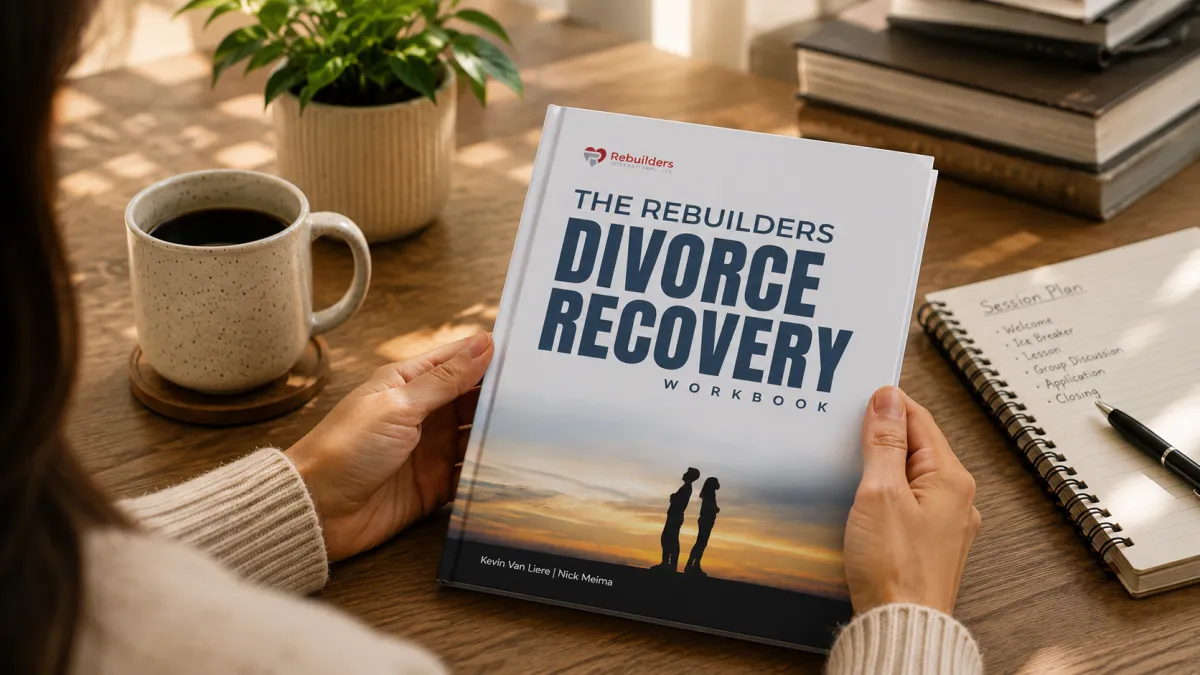
Professional resources designed to help therapists, facilitators, coaches, churches, and organizations guide people through divorce recovery.
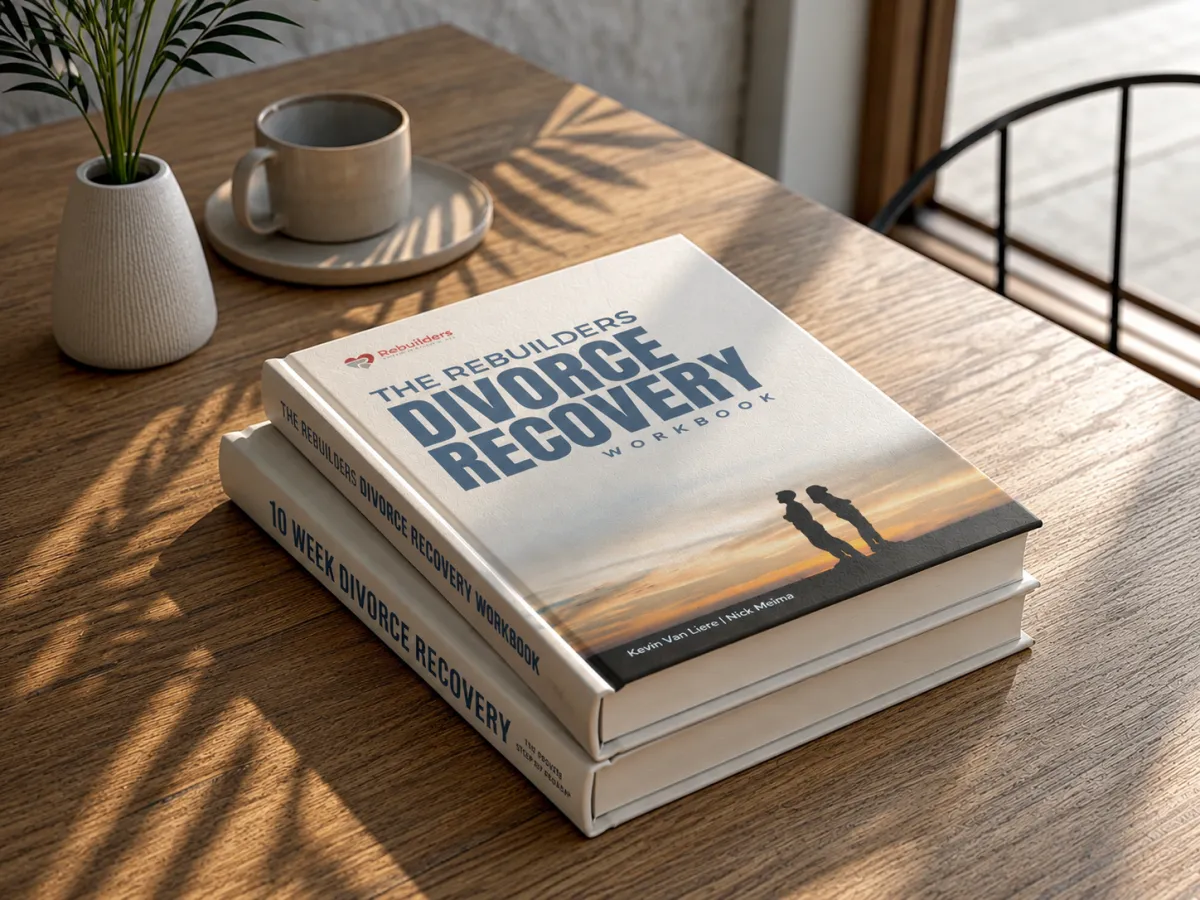
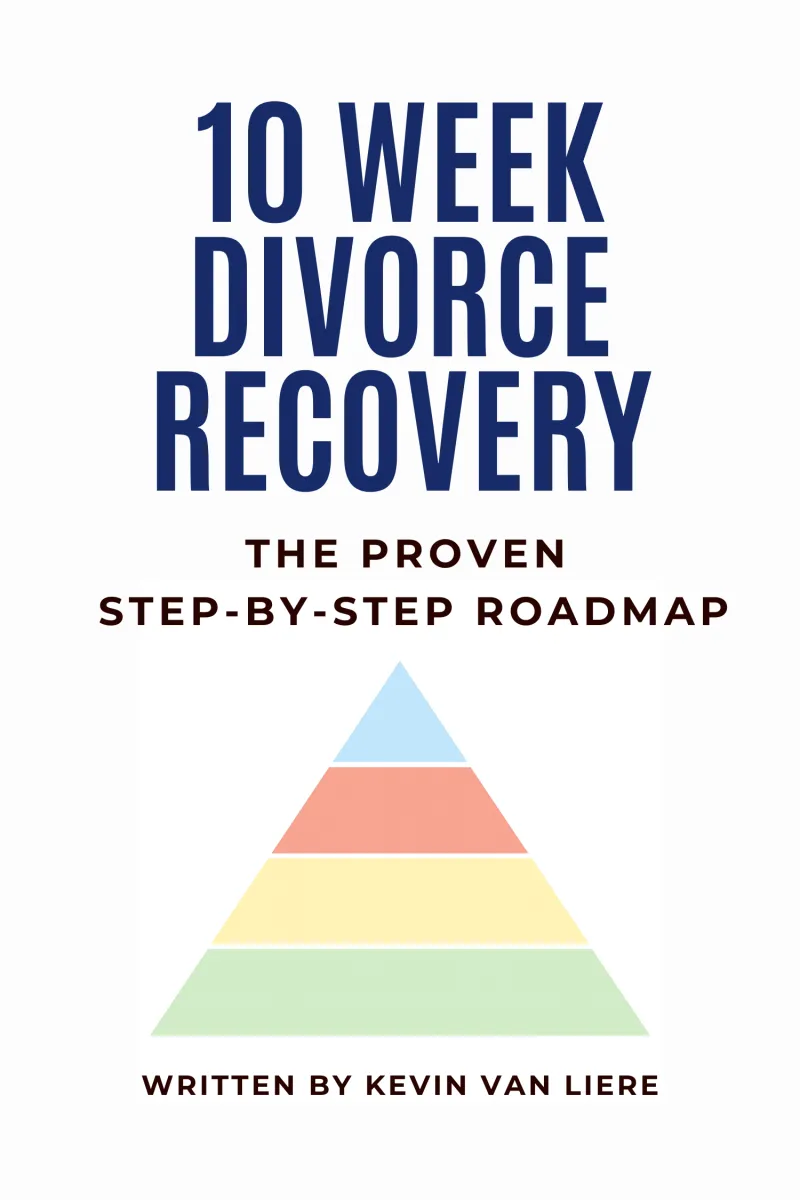
10-Week Program
Guide & workbook
Professional Resources
Materials to Support Your Work
Why Rebuilders
Why professionals choose
Rebuilders materials
Decades of refinement, thousands of groups, one trusted source.
Proven Methodology
Decades of clinical work with people in transition.
Facilitator-Tested
Refined by hundreds of facilitators leading groups in churches, clinics, and communities.
Practical Resources
Workbooks, handouts, and tools designed for real group dynamics — not theory.
Trusted Materials
The official source for Rebuilders content. No knock-offs, no outdated editions.
Need Help Choosing Resources?
Our team can help you select the right materials for your practice or organization.
Shop By Categories
Discover the perfect promotional items to elevate your brand and leave a lasting impression with our Shop by Category section. Whether you're looking for branded apparel, tech gadgets, office essentials, or eco-friendly products, we have everything you need to make a statement in your marketing campaigns.


What Client Our Says About Us

Company Name should look
for ones that are specific,
detailed, and highlight the
unique benefits of working with
the company.
Alex John Martin
Manager
Company Name should look
for ones that are specific,
detailed, and highlight the
unique benefits of working with
the company.
Alex John Martin
Manager
Company Name should look
for ones that are specific,
detailed, and highlight the
unique benefits of working with
the company.
Alex John Martin
Manager
Frequently Asked Questions
Find answers to common questions about ordering official Rebuilders workbooks, facilitator materials, shipping, and bulk purchases. If you need additional assistance, we're here to help.
Who can order these materials?
Trained Rebuilders facilitators, group leaders, counselors, and partner organizations running official Rebuilders programs.
Do you ship internationally?
International shipping rates and timelines are calculated at checkout.
How long does fulfillment take?
Domestic orders typically ship within 2 business days and arrive in 3–7 days. Bulk orders may take slightly longer.
Can I order in bulk?
Absolutely. Group bundles and bulk discounts are available — see the Group of 10 bundle or contact us for larger quantities.
Which workbook should I order?
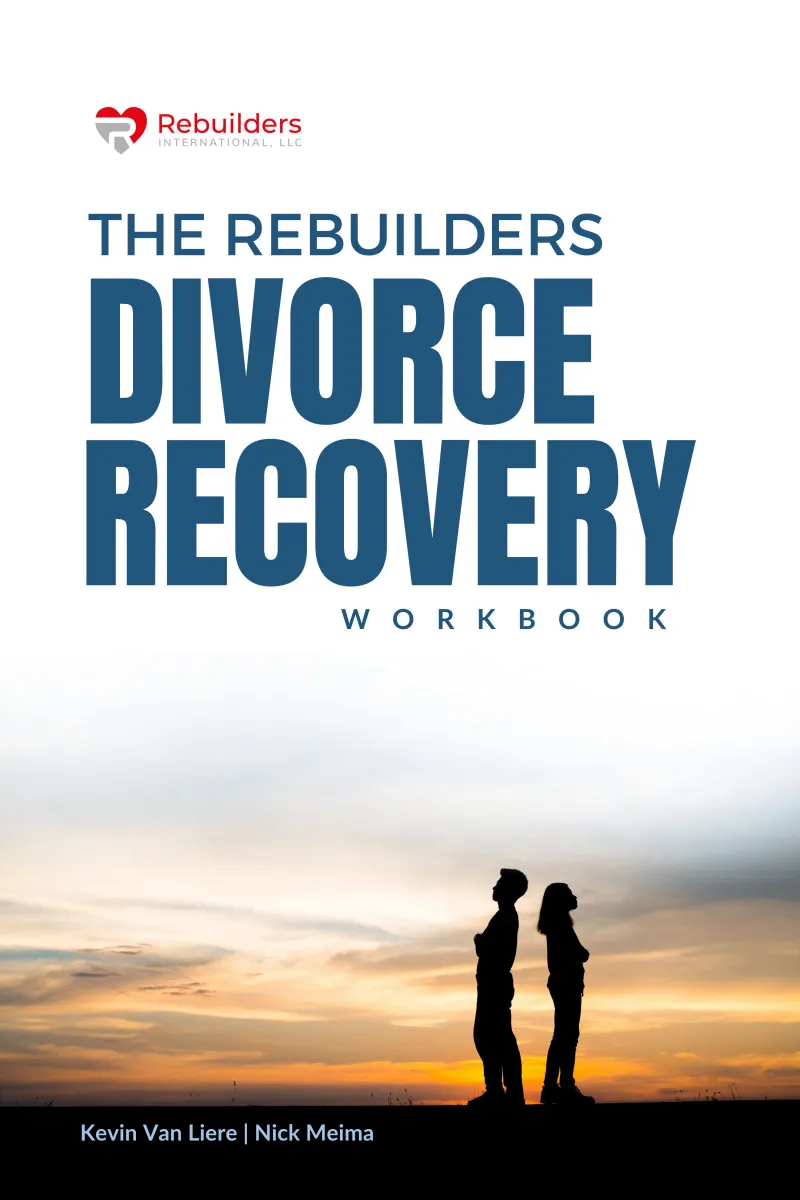
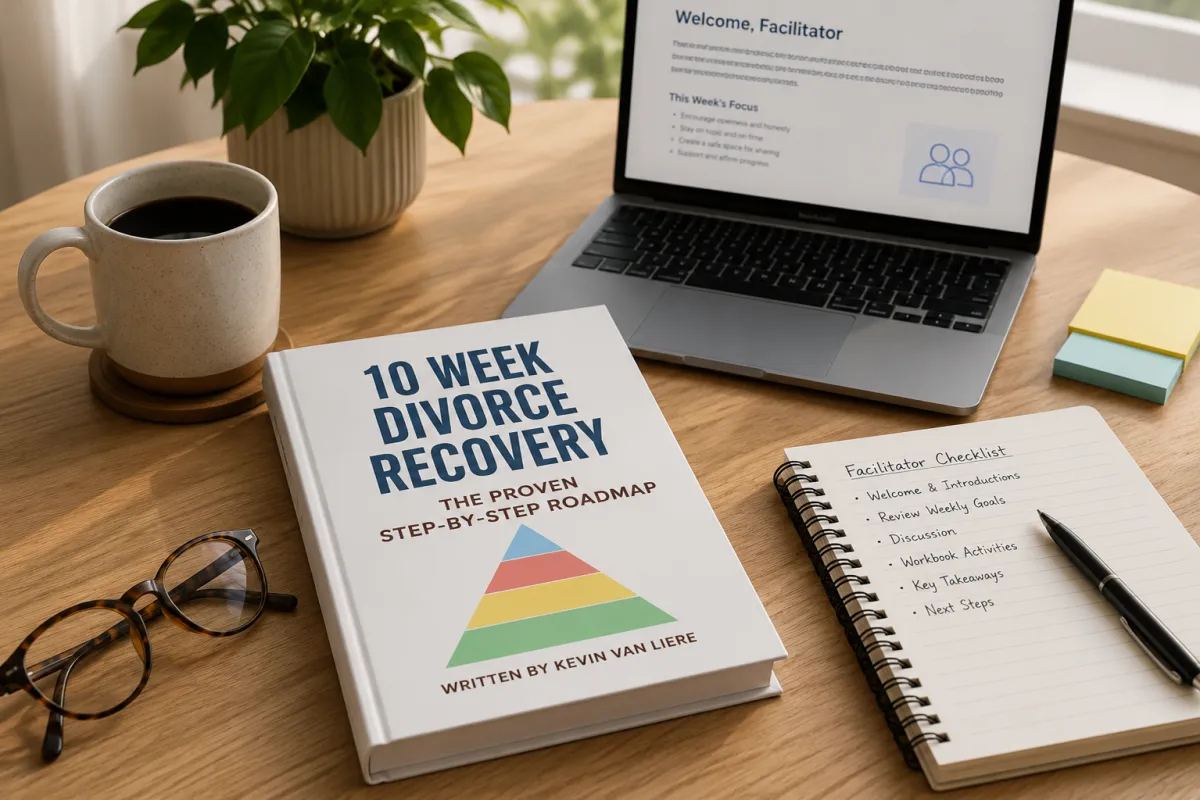
Most facilitators start with the Rebuilders Workbook for participants and the Facilitator Guide for themselves. The Starter Kit combines both plus extras.
See Our Latest Blogs
Stay up-to-date with our latest insights, tips, and trends by diving into our newest blogs. Whether you're seeking industry expertise, marketing strategies, or product inspiration, our blog section is your go-to resource for valuable content.

Who Has the Hardest Time Recovering from Divorce? Divorce Adjustment Data
Who Has the Hardest Time Recovering from Divorce?
Stay-at-home parents score lower on divorce adjustment than any other group measured, in an analysis of 5,251 people seeking recovery support.
Based on Fisher Divorce Adjustment Scale assessments completed by people seeking divorce recovery support. Free to cite with attribution.
The question feels like it should have an obvious answer. Some people assume it is whoever was blindsided — the one who did not see it coming. Others assume it tracks age, or how long the marriage lasted, or whether children are involved. Work situation rarely makes the short list.
It is worth asking anyway, because divorce does not land the same way on everyone. What you go home to after the split, who is around, what your day looks like — these things shape recovery in ways that the ending of the marriage itself does not fully explain. The data tells a story that most people would not predict.
The answer
The table below shows adjustment scores by work situation, drawn from people who completed a Fisher Divorce Adjustment Scale assessment while seeking divorce recovery support.
By work situation
| Work situation | People | Median score | Percentile |
|---|---|---|---|
| Desk job | 1,533 | 306 | 43rd |
| Managerial job | 865 | 304 | 42nd |
| Physical or active job | 1,371 | 290 | 35th |
| Not currently working or other | 1,142 | 289 | 35th |
| Stay-at-home parent | 340 | 266 | 25th |
Overall adjustment out of 500, with the population percentile. n = 5,251.
Stay-at-home parents arrive at the 25th percentile. That means three quarters of people completing the same assessment score above them. The person in a desk job arrives at the 43rd percentile — close to the population midpoint. The gap between those two positions is not a gap in character or resilience. It is a gap in what the divorce left behind.
The nuance
The obvious explanation for a gap this wide is financial stress — stay-at-home parents face an economic disruption that employed people largely do not. That is real, and this analysis cannot separate it from other factors. But the data points toward something else running alongside it.
The divorce that removes a partner also removes the adult contact that came with them. Everyone else has a workplace that keeps supplying company, structure, and a role that is not "the person whose marriage ended." Stay-at-home parents lose the relationship and keep the isolation.
A job is not just income. For most people, it is the architecture of a day, a source of identity that persists after the marriage does not, and a reason to be somewhere that is not the home the relationship used to fill. When all of that is gone at once, the floor is lower.
Stay-at-home parents lose the relationship and keep the isolation.
If you are in it
If your day was built around the household and the relationship, you have not just lost a partner — you have lost the structure your whole week depended on. Scoring lower than other groups does not mean you are recovering worse than you should be. It means your starting conditions are harder. The data describes the situation, not the ceiling.
The people in this analysis who worked outside the home had a built-in structure propping up their adjustment. If you do not have that, it is worth thinking about what might serve the same function — regular commitments outside the home, contact with other adults, something that gives each day a shape that is yours and not theirs.
If you work with divorcing clients
- When a client's day has no external structure — no workplace, no regular schedule outside the home — that absence is a clinical factor in its own right, not just a lifestyle detail.
- The assessment score for a stay-at-home parent is not directly comparable to the score for an employed person. They are starting from different ground.
- Ask about daily contact with other adults. If a client's only consistent adult interaction was with their former partner, the relationship ending removed more than the relationship.
- Structure that feels arbitrary — a weekly class, a volunteer commitment, a regular walk — may be doing more for adjustment than it looks like it is doing.
Limitations
Work situation is self-reported at a single point and may have changed as a result of the divorce rather than preceding it. This analysis cannot separate the effect of isolation from other factors that correlate with staying at home. Everyone in this analysis sought out a divorce recovery assessment, so these findings describe people looking for help rather than divorcing adults generally. All measurement is self-reported on a single instrument. This compares different people rather than following the same people over time.
Rebuilders International. "Who Has the Hardest Time Recovering from Divorce?" Rebuilders Research. rebuildersinternational.com/post/hardest-time-divorce-recovery
Rebuilders International trains mental health professionals and divorce coaches in the Rebuilding method, developed by Dr. Bruce Fisher over more than forty years. Individuals going through divorce can find programs, classes and a free self-assessment at rebuilders.net.

Rebuilders International
Empowering professionals to guide individuals through transformative recovery and rebuilding processes.
For Professionals
Looking for the consumer program? Visit Rebuilders.net.
© 2026 Rebuilders International. All rights reserved. | Privacy Policy | Terms | [email protected]